
James Dean is an Engineering tutor at Kirklees College. Before starting with us, he had several years of experience in the sector and is now passing that insight onto the next generation of engineering professionals.
How long have you been teaching at Kirklees College?
I’m approaching the end of my second year of teaching at the college and really enjoy being part of the Engineering department. I have just completed the first year of my PGCE qualification with one year remaining, which will start in September.
What experience did you have before teaching?
Before moving into teaching, I worked within engineering and manufacturing environments, gaining hands-on experience with manual and CNC machining, quality and inspection, workshop practices, and engineering processes. That industry background helps me bring real-world examples into lessons and gives learners a better understanding of what employers expect in the workplace.
Do you have any career highlights?
I’d say the biggest highlights have been helping students progress into apprenticeships, university, and engineering careers. Seeing learners grow in confidence and succeed after college is probably the most rewarding part of the job.
What’s the best thing about a career working in engineering?
Engineering is incredibly varied, and no two days are the same. It’s a career where you’re constantly solving problems, learning new skills, and working with technology and equipment that have a real impact on everyday life.
There are also so many different pathways within engineering, from design and CNC machining to maintenance, manufacturing, robotics, and aerospace. It’s an industry with excellent career opportunities and progression.
What would you say is the best thing about studying one of the Engineering courses at Kirklees College?
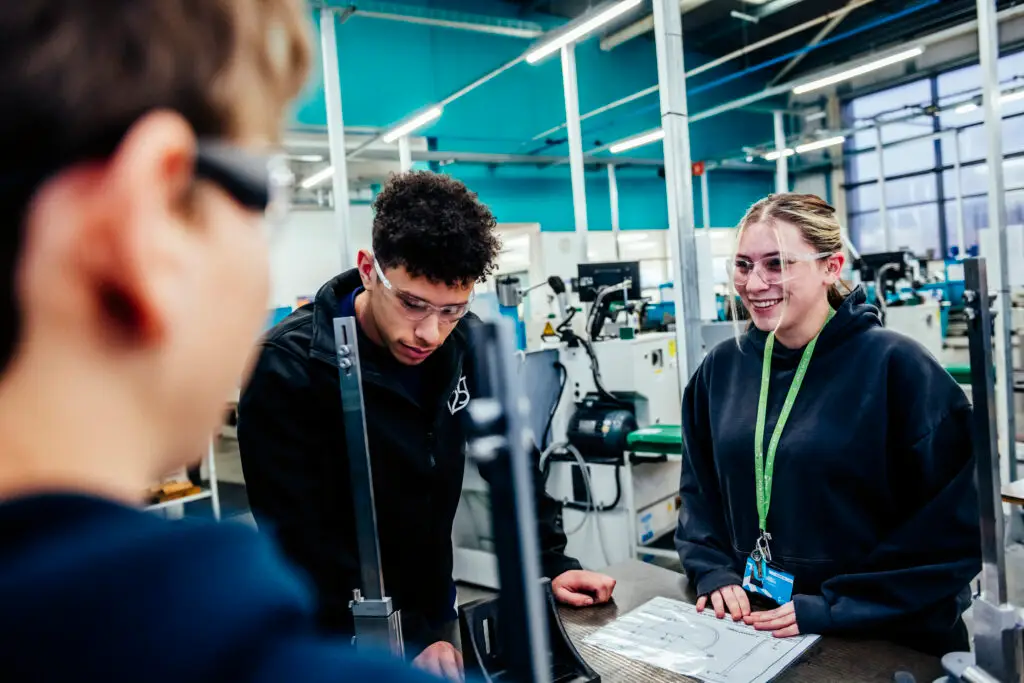
One of the best things is the combination of theory and practical learning. Students get the chance to work in realistic workshop environments using industry-standard equipment while also developing the technical knowledge employers are looking for.
We also focus heavily on employability skills, teamwork, problem-solving, and preparing students for apprenticeships, university, or full-time work in engineering.
Read more about the range of Engineering courses at Kirklees College
What advice would you give to someone in Year 10 or Year 11 looking to start their career in the industry?
Be willing to ask questions, get involved, and try new things. Engineering is a practical subject, so confidence grows through experience.
You don’t need to know everything before starting. I’d argue that having a good attitude, strong work ethic, and a willingness to learn are just as important as technical ability.
If a student is starting the course in September, how would you suggest they prepare over the next few weeks and months?
I’d recommend brushing up on basic maths skills such as measurements, fractions, percentages, and angles, as these are used regularly in engineering.
It’s also helpful to start learning about different areas of engineering through YouTube videos, websites, or even taking things apart and understanding how they work. Many of our learners look to move into apprenticeships, so familiarise yourself with Engineering companies in your area and make yourself known to them. More importantly, come in with a positive attitude and be ready to learn new practical skills and work as part of a team.